FOR IMMEDIATE RELEASE
SIB Hosts Caribbean Regional Workshop on Using Geospatial Data for Climate Action
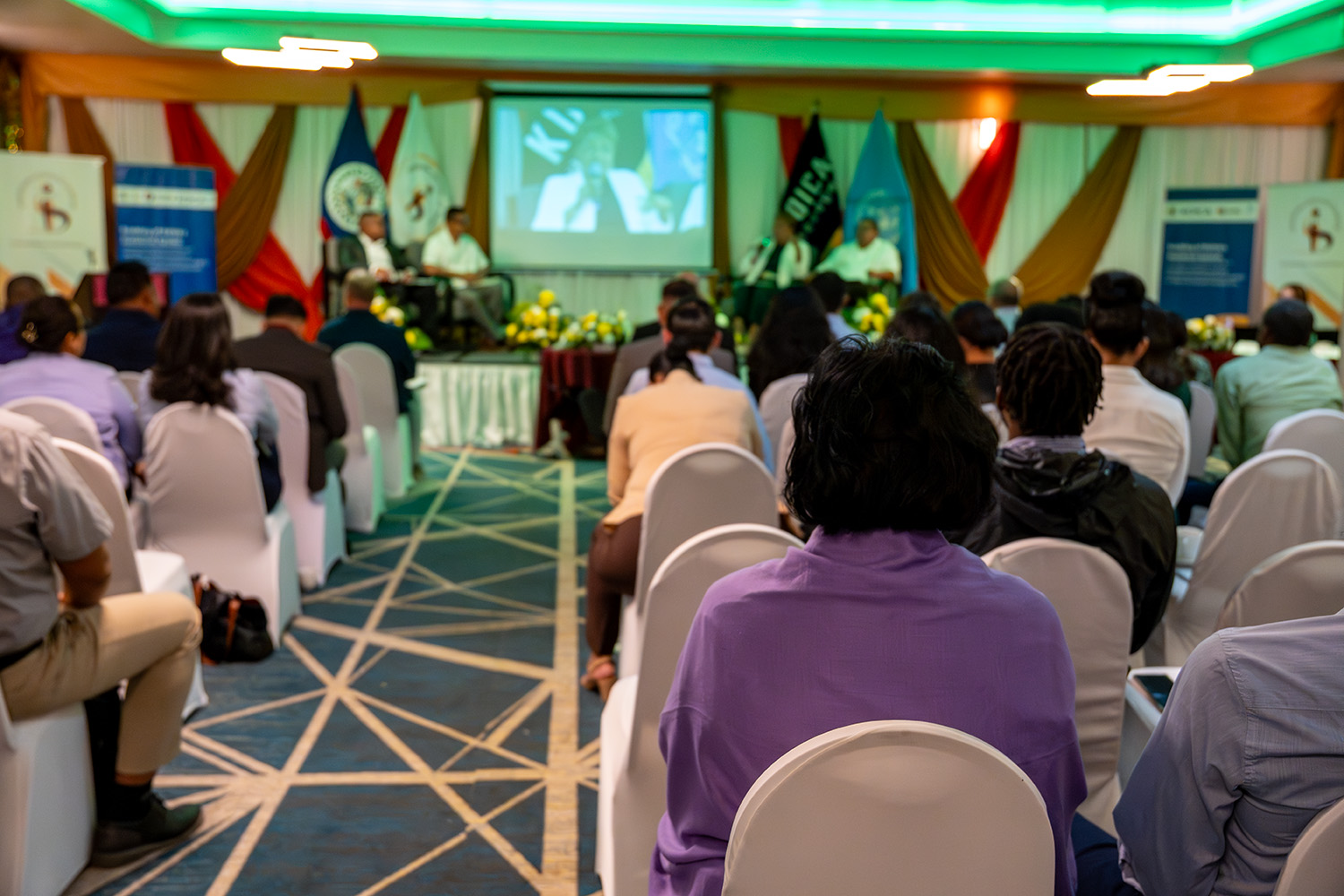
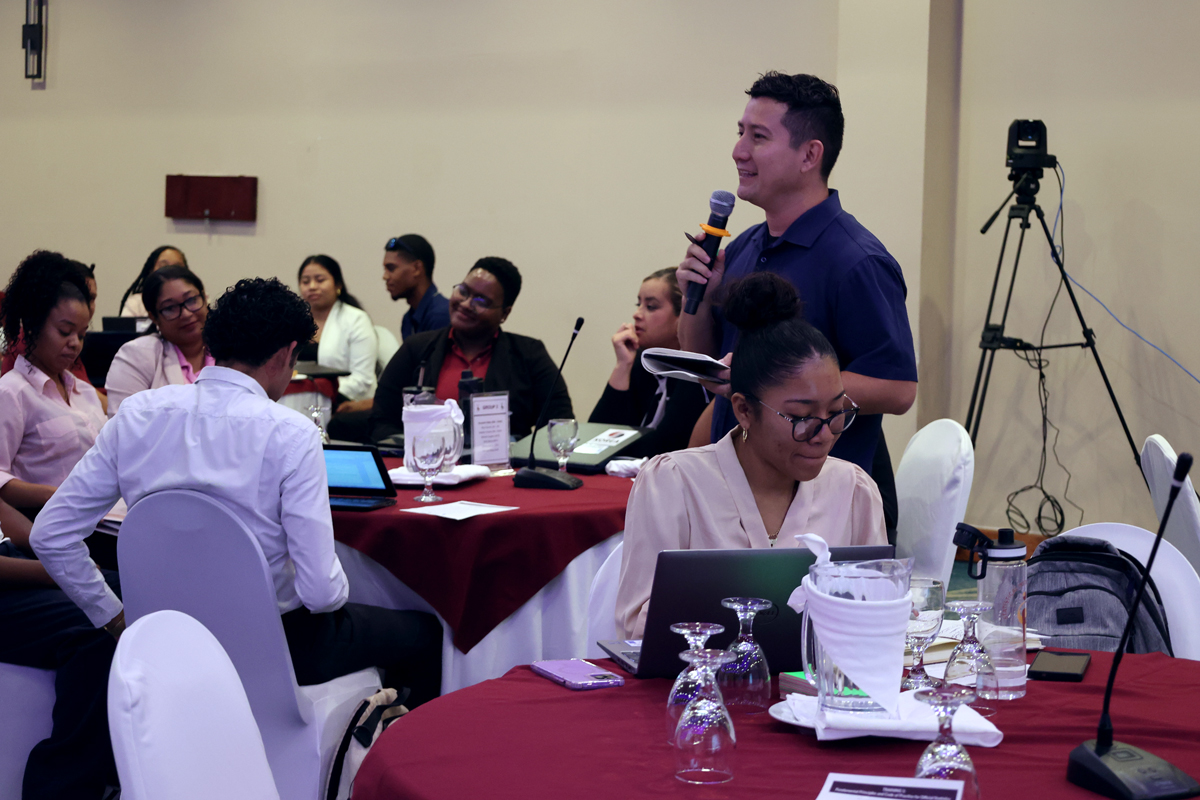
Placencia, Belize. November 16, 2026 – The Statistical Institute of Belize (SIB), in collaboration with the Partnership in Statistics for Development in the 21st Century (PARIS21) and with support from the Caribbean Development Bank (CDB), hosted a regional workshop in Placencia from 11 to 13 November, focused on strengthening the use of geospatial data to inform climate action and decision-making across the Caribbean.
The workshop brought together representatives from national statistical offices across the region and members of Belize’s National Statistical System (NSS). Opening remarks from SIB, CDB, and PARIS21 emphasized the importance of reliable, timely information in addressing the growing climate risks facing Caribbean countries.
Integrating geospatial data with official statistics helps identify areas most vulnerable to climate impacts and populations at greatest risk. Through presentations, technical discussions, and peer exchanges, participants explored methods for combining climate and geospatial data from national and international sources, and communicating findings to support policy decisions and public awareness. Discussions also examined the evolving role of national statistical offices in producing climate-related statistics.
A key highlight was SIB’s presentation of a new indicator, ‘Population at risk of flooding effectively reached by multi-channel early warning systems’. Developed using geospatial data and AI-based modeling, the indicator measures the population exposed to flood risks and how quickly they can be reached through different early warning channels. This information can help emergency management agencies identify vulnerable communities and prioritize response efforts. A presentation by the National Emergency Management Organization (NEMO) further highlighted the practical application of geospatial data in disaster risk management.
The indicator is being developed in collaboration with the National Meteorological Service, NEMO, the National Hydrological Service, and the Caribbean Community Climate Change Center. These partnerships aim to strengthen data sources and methodologies while improving the availability of detailed climate-related statistics within the National Statistical System.
SIB plans to update the indicator annually, starting with a national baseline, to monitor changes over time and refine methodologies. This work will also strengthen national capacity to produce climate statistics.
The workshop concluded with presentations of communication materials developed by participants and discussions on the next steps for integrating geospatial data into statistical systems across the Caribbean.
SIB extends its appreciation to PARIS21, the Caribbean Development Bank, and all participating agencies for their contributions to this regional initiative.
Media Contact
Javier Romero
Communications & Marketing Officer
Statistical Institute of Belize
jromero@mail.sib.org.bz
+501 822-2207 ext. 209
END
 Loading...

 Reload document
 Open in new tab